

September, 2025 The Power of Socialization
Thursday, December 4, 2025
Socialization and Meaningful Personal Relationships for
improved Brain Health Living with Dementia

Socialization – The activity of mixing socially and the process of learning to behave in a way that is socially acceptable to society. (Based on culture, gender, interest, rules of the situation) Meaningful relationships – Those that are deemed significant and include mutual respect, trust, interest, positive regard, and making the other person feel valued. Antonym to Socialization “Isolation” – The condition of being separated from other people, towns, countries, etc. Geographical / rural / social.
Neurotransmitters and Happy Hormone
Our brains are designed to release neurotransmitters or “Happy Hormones” to help us feel connected and motivated to interact within our environment. When we are involved in meaningful social interactions and interpersonal relationships the brain releases Oxytocin and Vasopressin. During successful communication and meaningful activity engagement our brain releases Dopamine and Serotonin as well. Let’s explore further how we may positively impact the release of these neurotransmitters:

Serotonin – The Mood Stabilizer
- Getting out in the Sun
- Exercise and Physical Activity · Meditating and Prayer
- Being Outdoors

Dopamine – The Reward Chemical
- Completing a Task
- Doing Self Care
- Enjoying Food or Drink
- Celebrating Small Wins

Oxytocin – The Love Hormone
- Playing with another person
- Playing with an animal
- Holding hands with someone
- Hugging someone
- Complimenting others

Endorphin – The Pain Reliever
- Laughter
- Music
- Essential Oils
- Dark Chocolate
Intentional Engagement
We now know that more seniors died as a result of isolation than they did of Covid infection. To combat isolation and to feel a sense of community we must be proactive daily in engaging with others: (and this is important for all of us)
- our co-workers
- our friends and family, neighbors
- our caretakers
- persons providing services to us
Being intentional in building relational bridges with others, we can grow our social circle.
How Do I Begin?
- Shopping at the same family owned businesses with a warm smile will make you a favorite and welcomed customer.
- Getting to know the ladies and gentlemen at your local library will be rewarded by a chat and a smile. Before long, they will greet you by name.
- When walking your dog or getting the mail, start a conversation with a passerby. Maybe start with a smile, nod or greeting.
- Before you know it, a friendship may be stirring. Volunteering or extending a helping hand to your neighbor or friend can also increase your sense of value or belonging.
- Being intentional about creating time and space for activities where we can find like-minded souls will help us grow relationships and social well-being. This does not change for our person living with cognitive decline.
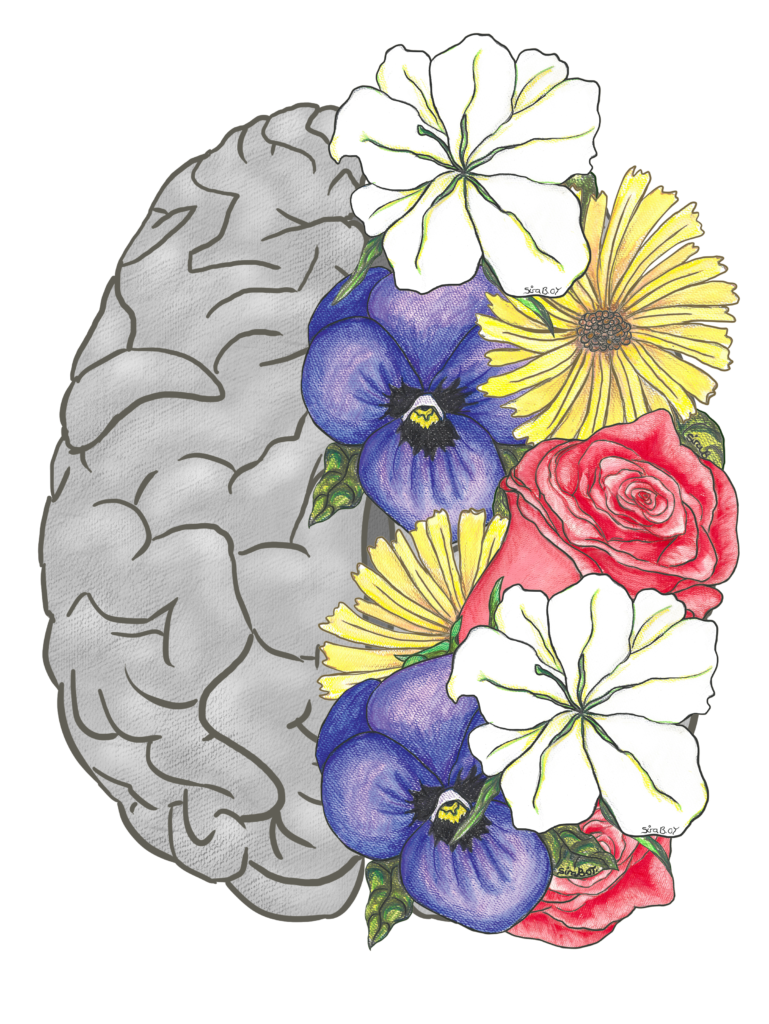
The Memory Bouquet Socialization Map: The Road to Successful Relationship
Through understanding the Memory Bouquet levels we are able to support our person living with dementia as well as their care partners and loved ones with successful interpersonal connection and joyful moments.

The Lily – Journey Beginning Neuro Cognitive Decline
- Keep up with your normal social routines.
- Be as transparent as possible about potential memory lapses to build sensitivity with your social circle.
- Ask for reminders of names, places, important dates etc. so that you can keep up with the activities you love.
- Set your own reminders and use a calendar for everything you need to remember.
- The good news are that you can build new long term memories with repetition and practice and you can bring value to any social circle you choose to join!

The Daisy – Journey Mild Neuro-cognitive decline
- Ask for help since you may struggle with moderate to severe memory loss and may have difficulties with some other cognitive abilities such as judgement or reasoning.
- It is okay to rely on others for reminders, for updating calendars and to drive you to social activities.
- People still need you in their lives – you have a lot of wisdom to share.
- Others can learn to be patient with your repetitive questions – it will be helpful to write down questions and answers that occurs frequently so you can feel more in charge of a social situation.
- For example: If you are attending a family event it may be good to write down names of persons attending, who is married to whom and which children belongs to whom and who are the new partners involved. This will allow you to enjoy the event more!

The Violet Journey – Moderate Neuro-Cognitive Decline
- You still want to feel loved and involved although you do not have the memory or decision making skills to create your own opportunities.
- If your people approach you in the right way, and present opportunities that interest you, you will gladly participate.
- You will need patience, repetition of information, demonstration of an activity and assistance to engage appropriately.
- For example when being included in a basic card game with the family, you may need to pair with a buddy that can assist with rules, and prevent you from getting frustrated so that everyone can experience joy and connection.

The Rose Journey- Severe Neuro-Cognitive Decline
- Your world have become quite small as your visual perception has changed in addition to severe memory loss and difficulties with decision making and navigating a social environment.
- You may struggle recognizing anyone in your close circle, and to make things more complicated you may struggle with language and expressing your love and connection.
- If your people learn how to approach you face-to-face with a friendly and compassionate tone of voice, followed by a gentle touch they can establish connection.
- You can engage in social activities if it is kept short and simple. Music is a great way to stimulate the amygdala. Dancing may bring great joy and connection if it is done with the right amount of physical support. Using simple musical instruments with hand-over-hand guidance can be an opportunity to connect and have fun.
- The good news are that your persons in your circle an still connect with you if they have patience and are intentional in their approach and expectations.

The Bouquet Journey- Advanced Neuro-Cognitive Decline
- You have many challenges with processing information.
- You can hear voices and music and feel and comprehend how touch is delivered to you. But it is almost impossible to respond to your environment.
- You are reliant on your loved ones and care partners to help you process everything that happens to you through their kind and patient explanation of their care.
- Any ordinary activity such as feeding you, dressing you, cleaning you or providing medical interventions: all of these tasks provide opportunity for your people to engage with you in a way that will make you feel safe and involved.
- Sensory stimulating activities are a great way to connect with you such as massaging your skin with a scented lotion, or pushing you in a chair outside in the breeze and sun, or playing music in your room while your person sing to you or even just listening to your person reading to you will soothe you and provide social engagement.
The Pivotal Points for Persons Living with Dementia
- Our persons have an internal drive – even if they cannot verbalize it.
- Our persons need to feel connected to the “here and now” have a sense of belonging – even when they are confused.
- Our persons need to have valuable personal interactions – even if they don’t remember who you are.
- Our persons need to feel valuable in their environment, because they still identify with historical roles and abilities -even if we do not understand what that is.
We can change the experience of our loved ones living with Dementia, one moment at a time, creating joy and connection for all involved.
“Dementia may steal your mind, but
it won’t steal your heart”