

March, 2025 Health Conditions That increase Risk of Dementia
Monday, December 1, 2025
How Different Diseases and Health Conditions Can Increase Your Risk of Dementia and What You Need to Know
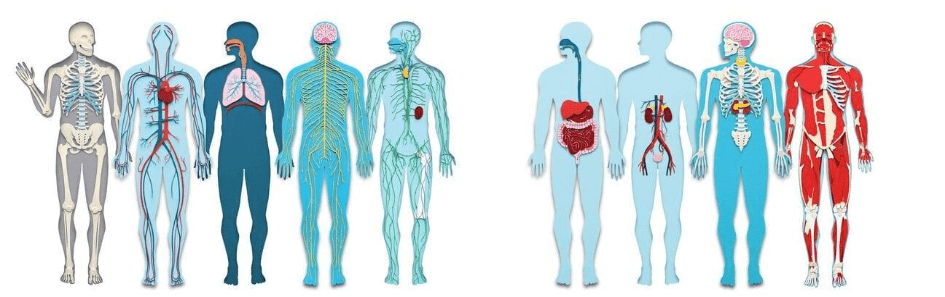
Disease: A disease is an abnormal condition that impairs the normal functioning of an organism. It can be a physical or mental illness that causes a person to function outside of the normal range. Diseases can have specific signs and symptoms.
Understanding Why our Brain Health Declines
Certain conditions in our bodies predispose us to brain decline. Some may be managed or prevented and some are inherited such as:
| · Inflammation. |
| · Stress which causes cortisol release on a cellular level. |
| · Brain Injury may be internal, for example, strokes caused by high blood pressure or may be external, for example, sports trauma such as CTE and accidents. |
| · Toxins such as environmental chemicals, processed foods, and medications. |
| · Pathologies that put one at risk may include COPD, CHF, uncontrolled diabetes, and Parkinson’s disease. |
| · Gene abnormalities such as APOE gene, Down Syndrome, Huntington’s disease. |
Understanding Metabolic Diseases
This is a group of diseases that impacts brain health as a secondary side-effect and may be prevented with correct lifestyle choices
| · HTN (high blood pressure) – This is an arterial disease that limits blood flow to the brain. |
| · High cholesterol leads to arterial disease. |
| · Heart disease such as COPD and CHF limit oxygen to the brain. |
| · Uncontrolled blood glucose limits sugar availability to brain cells which provides cells with energy. |
Understanding the Causes of Inflammation
- Auto-immune diseases such as arthritis, asthma, allergies, multiple sclerosis, lupus and others cause prolonged stress on cells which limits the cellular function.
- Untreated sleep apnea prevents the body from reaching healing sleep phases, leaving cells stressed and inflamed.
- Dietary choices of high intake of sugars and refined carbohydrates increase the inflammatory markers in one’s body resulting in stress on cells.
Understanding the Impact of Psychiatric Disorders
- Untreated anxiety and depression leads to increased stress and therefore increased cortisol production on the cellular level.
- Substance abuse leads to an overload of toxins at cellular level that can lead to cellular death.
Understanding Genetic Risk Factors
- Sometimes the genetic makeup of one’s body triggers the formation of abnormal proteins in the brain such as Tau plaques and tangles in Alzheimer’s disease and Alpha synuclein Protein in Lewy bodies and Parkinson’s disease.
- Then again some of us are born with gene abnormalities such as Down syndrome, Pick’s disease, and Huntington’s disease which increases our risk for developing dementia.
Through gaining understanding of our risk factors, whether it is environmental, life choices, underlying pathologies or genetics, it will help us select strategies to support our brain health in the long run.