

February, 2025 Nutrition for Brain Health
Monday, December 1, 2025
Healthy Mind, Healthy Life
The Power of a Healthy Diet for Someone living with Dementia
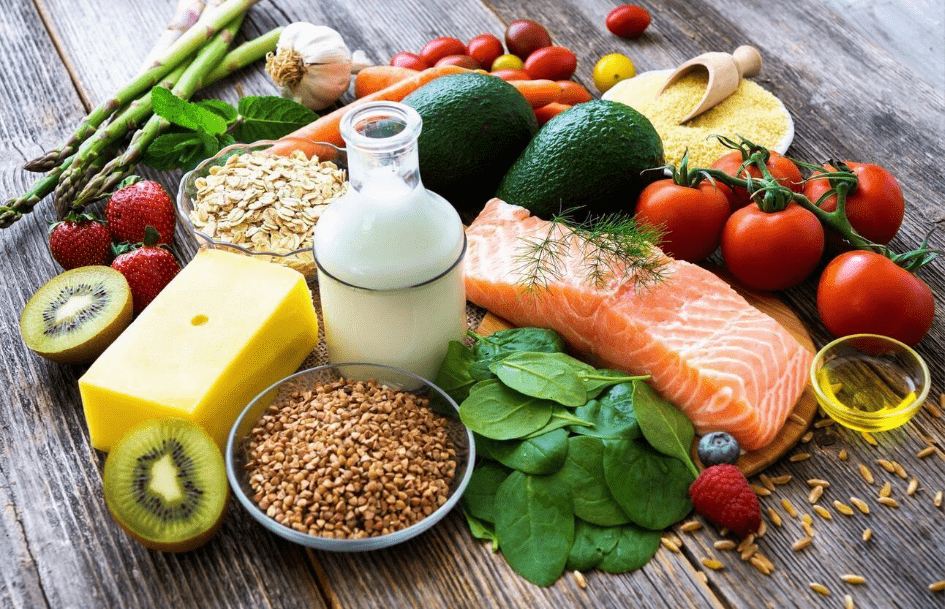
Healthy Diet: “A healthy diet is a diet that maintains or improves overall health. A healthy diet provides the body with essential nutrition: fluid, macronutrients such as protein, micronutrients such as vitamins, and adequate fiber.”
Considerations When Establishing A Healthy Diet
Following a healthy diet helps protect us against malnutrition, as well as non-communicable diseases such as diabetes, heart disease, stroke, cancer, and dementia.
Guidelines from the World Health Organization 2024 includes the following:
- Limit intake of free sugars to between 5 – 10% of your total caloric intake.
- Limit the intake of processed and refined foods. (these are low in nutritional value and may contain high sugar and salt levels).
- Limit salt intake to less than 5 gram per day.
- Limit intake of saturated fats and trans-fats to less than 1% of your caloric intake.
- Choose whole grains such as barley, maize, wheat, millet, oats, brown rice, and rye.
- Add legumes to your diet (lentils and beans).
- Eat at least 400 grams or 5 portions of fruits and vegetables (excluding potatoes and sweet potatoes).
- Make sure you use unsaturated fats for cooking or meal preparation (extra-virgin olive, coconut, and avocado oil).
- Add lean protein to every meal (aim for 20 -30 grams for each meal for example, meat, eggs, tofu, avocado, dairy products, nuts, and beans).
Impacting Your Brainpower Through Food:
- Green, leafy vegetables. Leafy greens such as kale, spinach, collards, and broccoli are rich in brain-healthy nutrients like vitamin K, lutein, folate, and beta carotene. Research suggests these plant-based foods may help slow cognitive decline.
- Fatty fish. Fatty fish and healthy unsaturated fats may be linked to lower beta-amyloid—the protein associated with Alzheimer’s disease. Try to eat fish at least twice a week, but choose varieties that are low in mercury, such as salmon, cod, canned light tuna, and pollack. If you’re not a fan of fish, an omega-3 supplement is a good option.
- Berries. Natural plant pigments that give berries their brilliant hues called flavonoids, were shown by research to improve memory. A study done at Harvard’s Brigham and Women’s Hospital found that women who consumed two or more servings of strawberries and blueberries each week delayed memory decline by up to two-and-a-half years.
- Tea and coffee. A study published by John Hopkins University showed that participants with higher caffeine consumption scored better on tests of cognitive function. Caffeine also helps solidify new memories.
- Walnuts. Nuts are excellent sources of protein and healthy fats. A UCLA study found that a higher intake of walnuts in particular improved cognitive test scores. They are high in Omega 3 fatty acids which are linked with lower blood pressure and cleaner arteries.
- Foods that are good for your brain are also good for your heart.
(Credit: Dr. Howard LeWine, Chief Medical Editor, Harvard Health Publishing)