

May, 2024 The Power of Exercise
Wednesday, November 5, 2025
Did you Know: Oxygenation of cells during Exercise improves Brain Health for Dementia
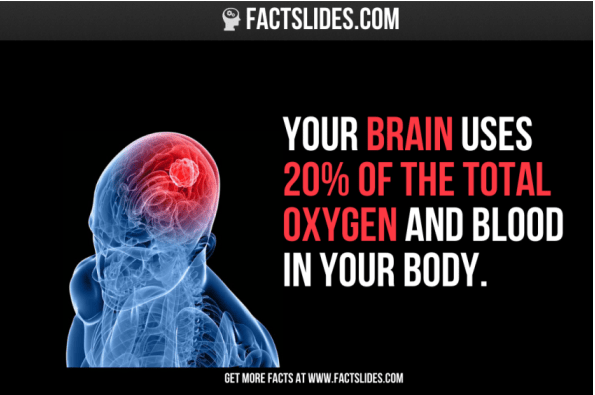
Word of the Month – Oxygenation – The process of supplying oxygen to the blood or tissues. Brain tissue requires oxygenation for brain function and tissue integrity. Proper oxygenation is dependent on cardiac, vascular, and respiratory function. Aerobic exercise provides greater oxygenated blood flow to the brain
The Case for Physical Exercise
There is much evidence to support that physical exercise positively impacts
the brain; including one’s ability to think, learn and problem solve in addition
to improving memory and enhancing overall wellbeing.
Aerobic exercise increases oxygen rich blood flow to the brain and can reduce one’s risk of cognitive decline, including dementia. We call this oxygenation of the cells, and it reduces inflammation and cortisol in the cells.
Here are some tips to help you give your body and brain the exercise they need:
- Most adults need at least 150 minutes, or 30 minutes, 5 days a week of moderate intensity exercise. This can be broken down in 5-minute increments throughout the day.
- It is important to remember to load your joints and muscles and to increase your heart rate during exercise activities.
Some general guidelines to build exercise into your daily life activity include:
- Walk like you’re in a hurry or try a treadmill for moderate intensity aerobic exercise
- Turn up the music and dance! Dancing provides great exercise
- Swimming is great aerobic exercise and is easy on the joints
- Biking or use of a stationary bike
- Many seniors enjoy high aerobic intensity of racquetball (if physically able)
- Seek out exercise groups in your community or at your local senior center
- Bottom line is when in doubt MOVE ! Any exercise you add to your schedule is a start. Try tracking your exercise and setting goals to increase weekly. And don’t forget to hydrate!